I’ve always struggled with navigating specialists, but this platform made the entire process seamless. From the initial booking to the final consultation, I felt supported. It’s a relief to finally find a place that prioritizes both the medical quality and the patient experience.
Ramesh
Bangalore
I was skeptical about booking a treatment online, but the doctor I was matched with was incredibly thorough. They took the time to explain every step of the procedure during our video call, which really put my nerves at ease. Excellent professional care from start to finish.
Mohan K
Bengaluru
What I appreciated most was the clarity. There were no hidden fees or vague explanations—everything about the costs, the procedure, and the recovery timeline was laid out clearly. It’s rare to find a service that is this transparent and honest with their patients.
Srikanth N
Chennai
The follow-up support really sets this platform apart. After my treatment, they checked in to see how I was recovering and answered a few questions I had about my post-care routine. It feels like they actually care about your long-term health rather than just the one-off appointment.
Roopa
Mysore
Frequently Asked Questions (FAQ's)
What is the process to book a consultation with a specialist through Medi Venture Care?
Once you leave enquiry with Medi Venture Care, we assign you a dedicated case manager who will organise everything for you thereafter – including hotel booking, airport transfers, online consultation with doctors etc.
Are there any fees associated with using Medi Venture Care’s services?
Medi Venture Care services are complimentary for patients and patients are NOT overcharged for using Medi Venture Care services. In fact there are high chances, we are able to get you a discounted price which you are unable to negotiate yourself from the service provider.
What types of medical procedures and treatments are available through Medi Venture Care?
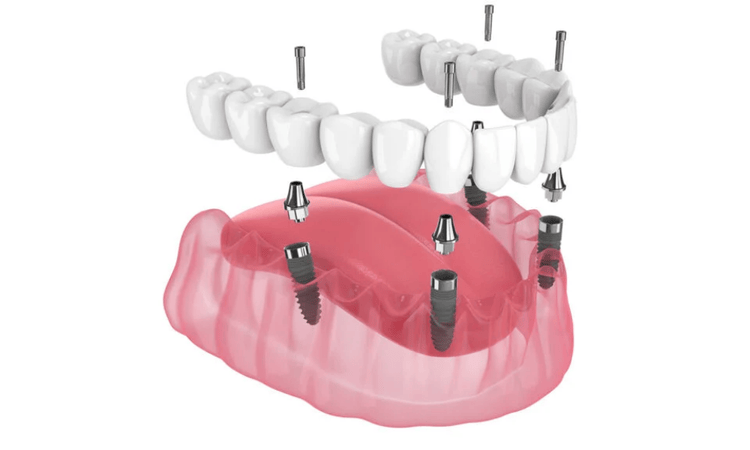
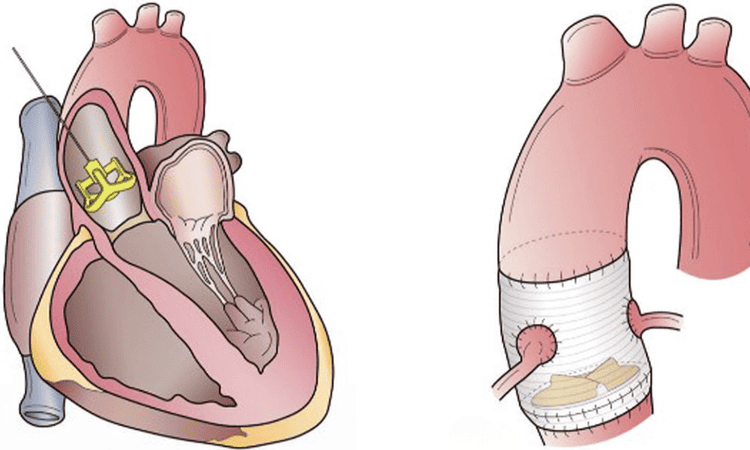
We have handled cases for Cosmetics, Organ transplants, Cancer cases, Brain and spine surgery, Urology, ophthalmology, Dental, IVF, Orthopedic and joints replacements, Cardiac adult and pediatric with best possible outcomes.
How do I request a cost estimate for my treatment through Medi Venture Care?
Once you leave enquiry with Medi Venture Care, we assign you a dedicated case manager who will organise everything for you thereafter – including hotel booking, airport transfers, online consultation with doctors etc. Treating doctor asks for detailed history of the patients, chronology of investigations done, treatments undertaken, current symptoms to arrive at the right line of treatment and share the expected cost of treatment.
How does Medi Venture Care handle patient privacy and confidentiality?
Medi Venture Care is NABH accredited and ISO 27001 certified to ensure highest standards in managing medical reports and ensuring confidentiality of privacy.
What documents are required to get a treatment plan and cost estimate from Medi Venture Care?
Treating doctor asks for detailed history of the patients, chronology of investigations done, treatments undertaken, current symptoms to arrive at the right line of treatment and share the expected cost of treatment.